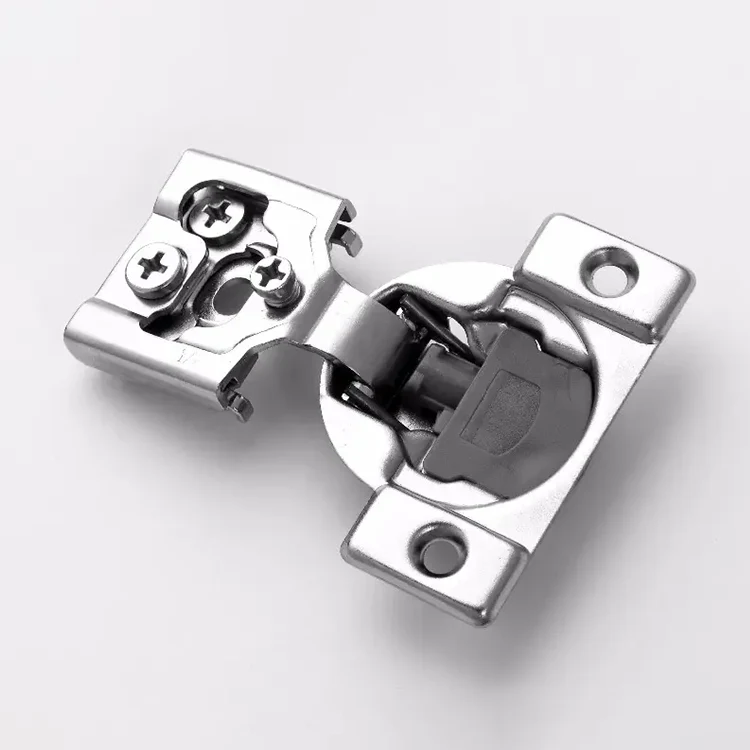
This comprehensive guide explores the role, structure, benefits, and real-world applications of Aluminum Alloy Belt Hinges in modern mechanical and industrial systems. Designed for engineers, procurement managers, and product designers, the article breaks down how this component improves durability, reduces maintenance costs, enhances load distribution, and supports long-term operational stability. It also addresses common user concerns such as corrosion resistance, installation challenges, material selection, and performance optimization. By the end, readers will gain a clear understanding of why Aluminum Alloy Belt Hinges are increasingly preferred in demanding environments.
1. Introduction
In modern industrial engineering, mechanical connection components play a critical role in ensuring structural stability, smooth motion, and long-term reliability. Among these components, the Aluminum Alloy Belt Hinge has become a widely adopted solution due to its balance of strength, lightweight structure, and corrosion resistance.
Industries such as automation, conveyor systems, packaging machinery, aerospace equipment, and precision instruments increasingly rely on advanced hinge systems to maintain efficiency under continuous load conditions. Traditional materials such as carbon steel or basic plastic hinges often fail to meet the evolving demands of high-performance environments.
This is where aluminum alloy solutions stand out. Their engineered composition provides a combination of mechanical strength and environmental resistance that supports long-term operational stability while reducing maintenance frequency.
2. What Is an Aluminum Alloy Belt Hinge?
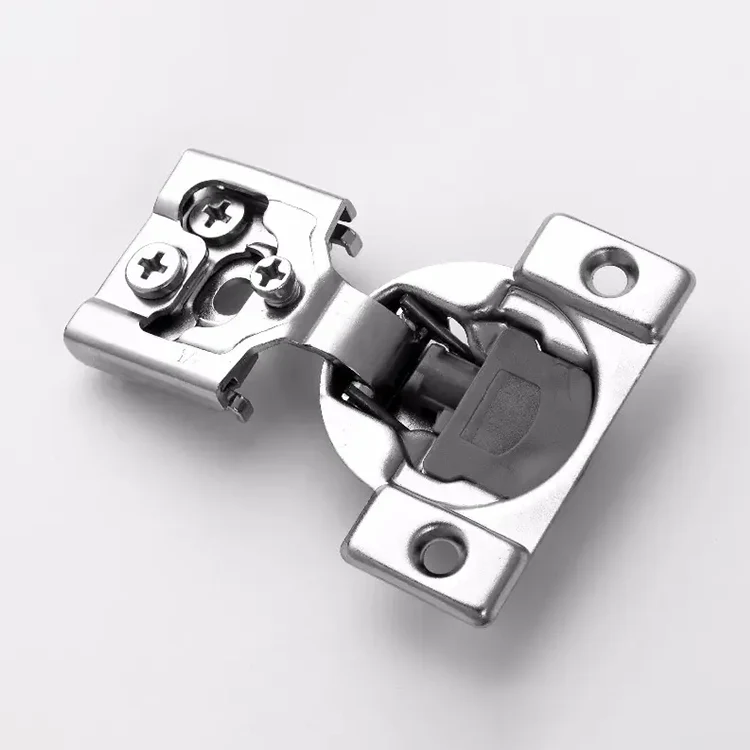
An Aluminum Alloy Belt Hinge is a mechanical joint component designed to connect moving parts in belt-driven or panel-based systems. It allows controlled rotation or flexibility while maintaining structural alignment under load.
Unlike conventional hinges, this type is manufactured using high-grade aluminum alloys such as 6061 or 7075 series materials. These alloys provide excellent strength-to-weight ratios and superior resistance to corrosion and fatigue.
-
Lightweight structural design
-
High load-bearing capacity
-
Enhanced corrosion resistance
-
Precision machining compatibility
-
Long service life under repetitive motion
These characteristics make it particularly suitable for automated systems where reliability and efficiency are critical.
3. Key Advantages
The widespread adoption of Aluminum Alloy Belt Hinges is driven by their multiple performance advantages compared to traditional hinge systems.
-
Weight Reduction: Aluminum alloys significantly reduce overall system weight, improving energy efficiency in moving machinery.
-
Corrosion Resistance: Naturally protective oxide layers prevent rusting even in humid or chemically exposed environments.
-
Mechanical Strength: Engineered alloys provide high tensile strength while maintaining flexibility.
-
Thermal Stability: Performs reliably under temperature fluctuations without deformation.
-
Low Maintenance: Reduced friction and wear minimize service requirements.
These advantages directly translate into lower operational costs and improved system uptime for industrial users.
4. Industrial Applications
Aluminum Alloy Belt Hinges are used across multiple industries where durability and precision are essential.
-
Conveyor belt systems in manufacturing plants
-
Automated packaging machinery
-
Food processing equipment
-
Medical device enclosures
-
Robotics and motion control systems
-
Aerospace interior structures
In each application, the hinge contributes to smooth motion control while ensuring mechanical alignment under continuous stress conditions.
5. Material Properties and Comparison
The performance of hinge systems is highly dependent on material selection. Below is a comparison of aluminum alloy versus other common materials used in hinge manufacturing.
|
Material
|
Weight
|
Corrosion Resistance
|
Strength
|
Maintenance
|
Cost Efficiency
|
|
Aluminum Alloy
|
Low
|
High
|
High
|
Low
|
High
|
|
Carbon Steel
|
High
|
Low
|
Very High
|
High
|
Medium
|
|
Plastic Polymer
|
Very Low
|
Medium
|
Low
|
Medium
|
High
|
This comparison highlights why aluminum alloy remains the preferred choice in demanding industrial environments.
6. Technical Specifications Table
|
Parameter
|
Typical Range
|
|
Material Grade
|
6061 / 7075 Aluminum Alloy
|
|
Tensile Strength
|
200 – 570 MPa
|
|
Operating Temperature
|
-40°C to 150°C
|
|
Surface Treatment
|
Anodizing / Polishing / Coating
|
|
Service Life
|
5 – 15 Years (depending on use)
|
7. Installation Guidelines
Proper installation is essential to maximize performance and lifespan of Aluminum Alloy Belt Hinges.
-
Ensure alignment of mounting surfaces before installation
-
Use torque-controlled fastening tools
-
Avoid over-tightening to prevent deformation
-
Apply lubrication if system involves high-frequency motion
-
Inspect hinge movement after installation for smooth operation
Following these guidelines ensures optimal mechanical efficiency and reduces long-term wear.
8. Maintenance and Service Life
One of the key benefits of aluminum alloy hinges is their low maintenance requirement. However, periodic inspection is still recommended.
-
Check for surface wear every 3–6 months
-
Clean dust and debris accumulation regularly
-
Inspect fasteners for loosening
-
Apply anti-corrosion coating in harsh environments
With proper maintenance, these hinges can maintain stable performance for many years without significant degradation.
9. Common Problems and Solutions
-
Problem: Excessive friction
Solution: Apply appropriate lubrication or replace worn components.
-
Problem: Misalignment
Solution: Recalibrate mounting points and ensure correct installation torque.
-
Problem: Surface oxidation
Solution: Use anodized coatings or protective treatments.
-
Problem: Noise during operation
Solution: Inspect hinge joints for debris or dry contact points.
Early detection of these issues helps prevent system failure and reduces downtime.
10. Buying Considerations
When selecting Aluminum Alloy Belt Hinges, buyers should evaluate several critical factors to ensure compatibility and performance.
-
Load capacity requirements
-
Environmental exposure conditions
-
Precision and tolerance levels
-
Surface treatment options
-
Supplier manufacturing standards
Choosing a reliable manufacturer ensures consistent quality and long-term stability in industrial applications.
11. Frequently Asked Questions
Q1: Are aluminum alloy belt hinges suitable for heavy-duty applications?
Yes, high-grade aluminum alloys such as 7075 are capable of handling significant mechanical loads while maintaining stability.
Q2: Do these hinges require lubrication?
In most cases, minimal lubrication is required, especially in high-frequency motion systems.
Q3: How long do they typically last?
Depending on usage conditions, they can last between 5 to 15 years.
Q4: Can they be used in outdoor environments?
Yes, their corrosion resistance makes them suitable for outdoor and humid conditions.
Q5: What industries benefit most from them?
Automation, manufacturing, aerospace, and packaging industries benefit significantly.
12. Conclusion
Aluminum Alloy Belt Hinges represent a modern engineering solution that addresses the limitations of traditional hinge systems. With their combination of lightweight structure, durability, corrosion resistance, and low maintenance requirements, they are becoming a standard choice across multiple industries.
As industrial systems continue to demand higher efficiency and reliability, the role of advanced hinge components will only become more important in ensuring long-term operational success.
13. Contact and Business Inquiry
If you are looking for high-quality Aluminum Alloy Belt Hinges for industrial or customized applications, professional manufacturing support can make a significant difference in performance and durability.
Zhongshan Ousiming Hardware Co., Ltd. specializes in precision hardware components designed for demanding industrial environments. Our engineering team provides tailored solutions to meet diverse application requirements, ensuring reliability, consistency, and long service life.
Contact us today to discuss your project requirements, request a quotation, or explore customized hinge solutions designed specifically for your industry needs.