
In modern door, window, furniture, and industrial hardware applications, selecting reliable hinge components is essential for ensuring long-term performance and operational stability. An Aluminum Alloy Belt Hinge offers a practical combination of strength, corrosion resistance, smooth movement, and installation convenience. As an experienced hardware manufacturer, Ousiming provides durable aluminum alloy belt hinges with customizable solutions designed to meet different application requirements. Whether used in architectural hardware, mechanical equipment, or furniture systems, choosing the right hinge can significantly improve product reliability and reduce long-term maintenance costs.
An aluminum alloy belt hinge is a functional hardware component designed to connect two structural parts while allowing controlled rotational or swinging movement. Thanks to the mechanical properties of aluminum alloy, this hinge offers a balance of strength, lightweight construction, corrosion resistance, and wear resistance. Modern designs may incorporate built-in bearing structures to support smoother operation and threaded connections to simplify installation.
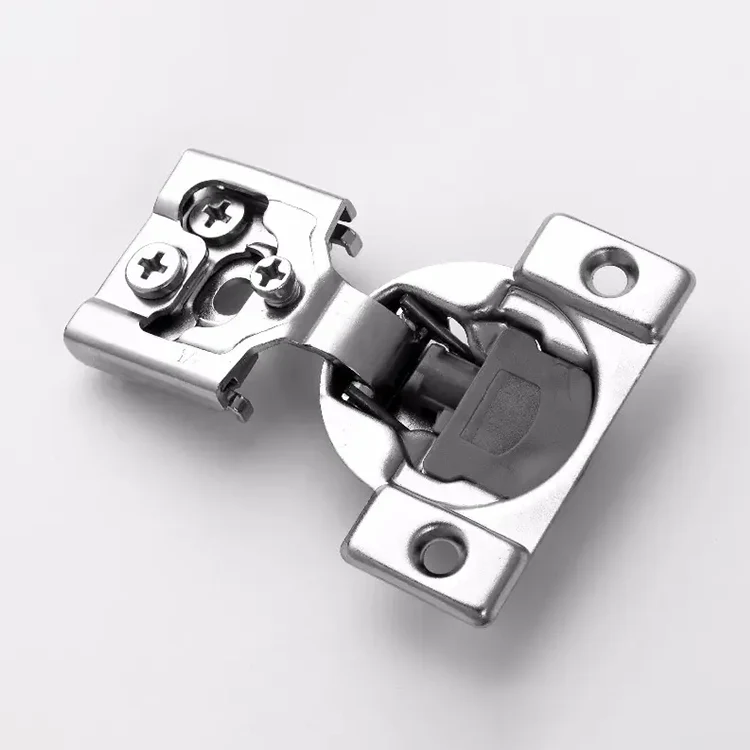
An aluminum alloy belt hinge is a mechanical connecting component manufactured using aluminum alloy materials. It is designed to join two connected structures while allowing one part to rotate, swing, or move around a fixed axis. Depending on its configuration, it can be integrated into different hardware systems where reliable movement and structural support are required.
Compared with some conventional metal hinges, aluminum alloy designs offer an attractive combination of reduced weight, mechanical strength, and resistance to environmental corrosion. These properties make them suitable for applications where hardware components must remain functional over repeated operating cycles.
According to the product information provided by Ousiming, its aluminum alloy belt hinge features several practical characteristics:
For more product details, buyers can visit the Ousiming Aluminum Alloy Belt Hinge product page.
The primary function of an aluminum alloy belt hinge is to establish a stable mechanical connection between two components while allowing controlled movement. During operation, the hinge supports the connected structures and guides their relative rotational or swinging motion.
The hinge connects two structural sections through its mounting points. When correctly installed, the connection helps maintain the relative positioning of the connected parts while distributing operational forces through the hinge structure.
For effective performance, the mounting surface, fasteners, hinge dimensions, and load requirements must be properly matched. Incorrect installation or unsuitable specifications may cause excessive stress and premature wear.
One notable feature of the Ousiming aluminum alloy belt hinge is its built-in bearing design. Bearings help reduce friction between moving components, supporting smoother rotational and swinging movement.
This characteristic is particularly useful in applications involving frequent movement. Reduced friction can contribute to more consistent operation and help limit unnecessary mechanical wear when the hinge is correctly selected and maintained.
The threaded connection design provides a practical mounting solution. It allows the hinge to be secured through compatible threaded fasteners, helping installers complete the assembly efficiently.
However, the appropriate fastener type, thread dimensions, installation position, and tightening requirements should always be confirmed before installation.
Material selection and mechanical design directly influence hinge performance. Aluminum alloy belt hinges offer several advantages that make them suitable for different hardware applications.
Aluminum alloys are valued for their favorable strength-to-weight characteristics. Compared with heavier metal alternatives, aluminum alloy components can help reduce the overall weight of an assembled product while maintaining useful structural strength.
This is particularly beneficial in applications where excessive hardware weight may affect installation convenience, structural loading, or equipment operation.
Corrosion resistance is an important consideration for hardware components exposed to humidity, changing temperatures, and everyday environmental conditions.
Aluminum naturally forms a protective oxide layer on its surface, which helps resist atmospheric corrosion. Depending on the alloy, surface finish, and operating environment, this property can contribute to longer service life and lower maintenance requirements.
Frequent opening and closing can gradually increase friction and wear in mechanical connections. The bearing-assisted design of an aluminum alloy belt hinge helps support smoother movement and more stable operation.
For doors, windows, furniture, and equipment assemblies, smooth movement can improve user experience and reduce unnecessary mechanical stress.
Installation efficiency is another important consideration for manufacturers and contractors. The threaded connection design helps simplify mounting, while customization services allow buyers to discuss specific requirements with the manufacturer.
Depending on the project, customized solutions may involve dimensions, mounting arrangements, structural configurations, and other relevant specifications. Actual customization availability should be confirmed with the supplier.
Hardware components are not only responsible for mechanical performance but can also influence the overall appearance of finished products. Aluminum alloy belt hinges combine functional construction with a neat appearance, making them suitable for applications where both practicality and aesthetics matter.
Thanks to their combination of strength, lightweight construction, and movement performance, aluminum alloy belt hinges can serve various industries. The appropriate product configuration depends on the application, installation environment, and expected mechanical load.
Doors and windows require reliable connecting hardware to support regular opening and closing operations. Aluminum alloy belt hinges can be considered for suitable architectural hardware systems where smooth movement, corrosion resistance, and installation convenience are important.
For window and door manufacturers, selecting compatible hinge dimensions and mounting structures helps improve assembly consistency and operational reliability.
Furniture products frequently use hinges to connect movable panels, doors, and other structural sections. Aluminum alloy belt hinges may be suitable for furniture applications that require lightweight hardware and convenient operation.
Manufacturers should evaluate the panel weight, opening frequency, mounting space, and expected service conditions before choosing a hinge.
Industrial equipment often contains movable covers, access panels, and protective structures. Appropriate hinge components help provide convenient access while maintaining a stable mechanical connection.
Aluminum alloy belt hinges may be considered for equipment applications where their mechanical characteristics and installation dimensions meet the design requirements.
Automotive manufacturing involves numerous mechanical connection systems and movable structural components. Lightweight hardware can contribute to weight management in suitable applications.
However, automotive applications require careful verification of vibration resistance, fatigue performance, load capacity, environmental durability, and relevant industry standards before a hinge is approved for use.
Different hinge materials provide different mechanical and environmental characteristics. Understanding these differences helps procurement professionals and product designers make more informed purchasing decisions.
| Comparison Factor | Aluminum Alloy Hinge | Stainless Steel Hinge | Carbon Steel Hinge |
|---|---|---|---|
| Material Weight | Relatively lightweight | Relatively heavy | Relatively heavy |
| Corrosion Resistance | Good natural corrosion resistance | Generally excellent, depending on grade | Usually requires protective coating |
| Strength Characteristics | Good strength-to-weight balance | High strength in many grades | Good strength depending on grade and design |
| Wear Resistance | Depends on alloy and surface treatment | Generally good, depending on grade | Depends on heat treatment and coating |
| Typical Applications | Doors, windows, furniture, equipment | Industrial, architectural, and heavy-duty hardware | General machinery and structural hardware |
| Key Consideration | Weight reduction and corrosion resistance | Strength and environmental requirements | Load requirements and surface protection |
There is no universally superior hinge material. The best choice depends on the required load capacity, operating frequency, environmental exposure, budget, and installation conditions.
For applications where lightweight construction and corrosion resistance are important, an aluminum alloy belt hinge may provide an effective solution. For applications involving particularly high loads or demanding operating environments, alternative materials should also be evaluated.
Selecting the correct hinge is essential for achieving reliable performance. Buyers should evaluate several technical and commercial factors before placing an order.
The first consideration should be the expected load. A hinge must support the weight of the connected structure and withstand additional forces generated during movement.
Before purchasing, consider:
Never assume that all aluminum alloy belt hinges have the same load capacity. Request verified load information from the manufacturer for the intended installation configuration.
Dimensional compatibility is critical for successful installation. Buyers should confirm the hinge's overall dimensions, mounting hole positions, thickness, connection structure, and available installation space.
Providing drawings, samples, or detailed measurements to the manufacturer can help reduce specification errors and improve production accuracy.
Environmental conditions can influence hinge performance over time. Projects involving outdoor exposure, high humidity, dust, or temperature fluctuations may require additional material and surface-treatment considerations.
Buyers should communicate the actual working environment to the supplier to ensure that the selected hinge is suitable for the intended conditions.
Choosing a reliable manufacturer is just as important as selecting the right product. Buyers should examine product consistency, customization capabilities, quality inspection procedures, production capacity, and communication efficiency.
A professional supplier should be able to clarify product specifications, discuss application requirements, and provide suitable recommendations before production begins.
Even a well-manufactured aluminum alloy belt hinge requires correct installation and regular inspection to achieve reliable performance. Following suitable installation and maintenance practices can help prevent unnecessary wear and operational problems.
Before installing the hinge, prepare the mounting surface and confirm that all dimensions are compatible with the connected components.
Recommended installation steps include:
Routine inspection helps identify potential problems before they affect the entire assembly.
Maintenance frequency should be determined by operating conditions, environmental exposure, and the manufacturer's recommendations.
Manufacturing quality directly affects the reliability, consistency, and service life of hardware products. Even when two hinges use similar materials, differences in manufacturing processes, dimensional accuracy, structural design, and quality inspection can result in different performance outcomes.
Suitable aluminum alloy material selection provides the foundation for product performance. Manufacturers should consider the mechanical properties required for the intended application, including strength, corrosion resistance, and processing characteristics.
Accurate dimensions help ensure that hinge components fit correctly during installation. Consistent manufacturing also reduces assembly difficulties and helps maintain predictable mechanical performance across production batches.
Durability testing is important for evaluating how hardware performs under repeated movement. Relevant inspection items may include rotational smoothness, connection stability, surface condition, and resistance to wear.
Actual test methods and acceptance criteria should be selected according to the product design and application requirements.
Ousiming is a hardware manufacturer based in Zhongshan, Guangdong, China, with experience in hardware stamping technology and aluminum alloy door and window accessories. The company offers aluminum alloy belt hinges and customization services to address different customer requirements.
Its product offering focuses on practical functionality, durability, convenient installation, and competitive supply solutions. With production capabilities and available inventory, Ousiming can discuss different project requirements with customers seeking suitable hardware products.
For buyers who need more than standard products, communicating the following information can help the manufacturer evaluate the project:
Learn more about the company's hardware manufacturing capabilities and explore its door and window hardware solutions.
An aluminum alloy belt hinge is used to connect two structural components while allowing controlled rotational or swinging movement. Common application areas include doors, windows, furniture, mechanical equipment, and suitable automotive manufacturing applications.
The main advantages include lightweight construction, practical mechanical strength, corrosion resistance, wear resistance, smooth movement, and convenient installation. These characteristics make aluminum alloy belt hinges suitable for various architectural and industrial hardware applications.
Yes. Aluminum naturally develops a protective oxide layer that helps resist atmospheric corrosion. However, actual corrosion performance depends on the alloy composition, surface condition, environmental exposure, and any additional surface treatment.
Its load-bearing capacity depends on the specific design, material properties, dimensions, mounting structure, and number of hinges used. Buyers should request verified load specifications and confirm that the selected model meets the requirements of their application.
Many designs are convenient to install. The Ousiming aluminum alloy belt hinge adopts a threaded connection design that helps simplify mounting. Nevertheless, suitable fasteners, correct alignment, and proper installation procedures are still necessary.
Yes. Ousiming provides customization services for different aluminum alloy belt hinge requirements. Buyers can communicate their preferred dimensions, application scenarios, technical drawings, and other specifications to discuss a suitable solution.
Regularly inspect the hinge, keep moving areas clean, check fasteners for looseness, and monitor rotational movement. Avoid excessive loads and impacts, and follow the manufacturer's recommendations for lubrication and maintenance.
Evaluate the manufacturer's material selection, production experience, dimensional consistency, customization capabilities, quality inspection procedures, and customer support. A dependable manufacturer should provide clear product information and help buyers confirm whether the hinge is suitable for their applications.
An aluminum alloy belt hinge is a practical hardware solution for applications that require reliable mechanical connections, smooth rotational movement, lightweight construction, and corrosion resistance. From doors and windows to furniture and mechanical equipment, the right hinge can contribute to improved operational stability and reduced maintenance requirements.
However, achieving the best results requires more than simply selecting an aluminum alloy product. Buyers should carefully evaluate load capacity, dimensions, installation compatibility, operating conditions, and manufacturing quality before making a purchasing decision.
Ousiming is committed to providing practical hardware products and customized solutions for different customer requirements. If you are looking for a dependable Aluminum Alloy Belt Hinge manufacturer or supplier, explore our product information and discuss your project specifications with our team. Whether you need standard hardware products or customized solutions, contact us today to request product details, discuss your requirements, and obtain a competitive quotation for your next project.


