
Choosing the right hinge is essential for achieving reliable door operation, stable positioning, and long-term hardware performance. Ousiming offers the Plastic Steel Casement Door Gravity Hinge as a practical hardware solution for suitable swing-door and window applications. Designed with a plastic shell, a steel needle shaft, and a steel ball locking component, this hinge combines lightweight construction with functional support. Understanding its structure, material properties, installation requirements, and application suitability helps builders, hardware distributors, and project purchasers make better-informed decisions.
A plastic steel casement door gravity hinge is a hardware component designed to connect a door or window sash with its frame while supporting stable opening and closing. Ousiming's product features a plastic shell, a steel needle shaft, and a steel ball component. Its lightweight construction, corrosion resistance, and adaptable appearance make it worth considering for compatible door, window, cabinet, and display-cabinet systems. Buyers should confirm dimensions, load capacity, installation conditions, and the intended closing mechanism before selecting a model.
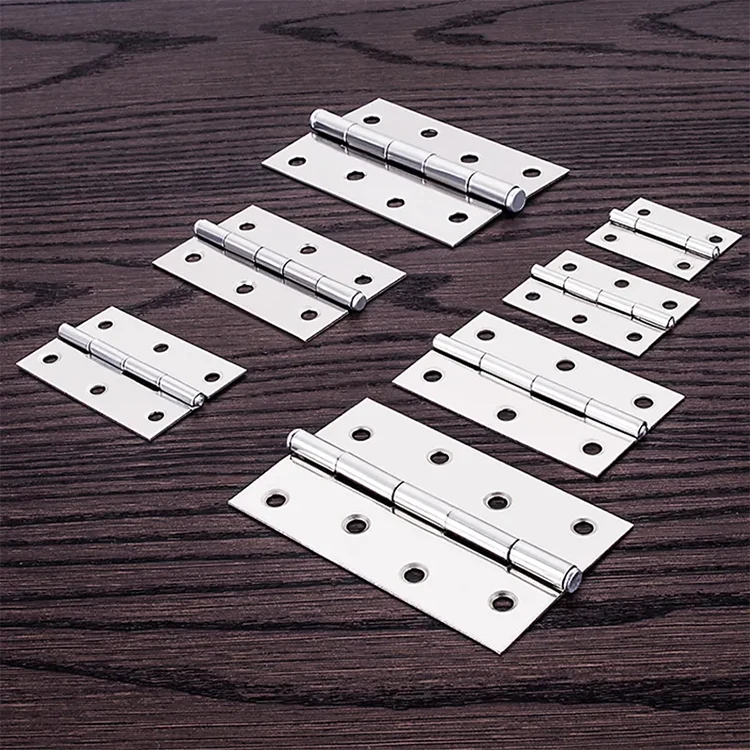
A plastic steel casement door gravity hinge is a specialized hardware fitting used to connect a movable door or window component to its supporting frame. It is designed to provide a functional pivot point while helping maintain stable movement and positioning during normal operation.
The term "plastic steel" generally describes a construction that combines plastic components with metal parts. In Ousiming's product design, the plastic shell forms the main body, while the steel needle shaft provides the central connecting element. A steel ball component contributes to the locking or positioning function described in the product information.
Unlike a conventional hinge consisting primarily of metal leaves and a pin, this type of fitting integrates different materials to balance weight, strength, corrosion resistance, and appearance. Its suitability depends on the door design, the required movement, and the installation environment.
For product-specific details, buyers can consult the Ousiming Plastic Steel Casement Door Gravity Hinge product page before requesting a quotation or confirming compatibility.
A hinge connects two structural elements and allows controlled relative movement. In a casement door system, one part is attached to the moving panel and another is secured to the frame. The connecting shaft establishes the pivot around which the panel moves.
The gravity-related function depends on the actual hinge geometry and mechanism. Some gravity hinges use shaped contact surfaces or cams that convert the door's movement into a lifting action. As the door returns toward its resting position, gravity helps guide it back. However, not every hinge described as a gravity hinge has an identical self-closing mechanism.
For this reason, buyers should verify whether the selected Ousiming model is designed for gravity-assisted return, positional locking, or another specified operating function. Product terminology alone should not be treated as proof of a particular closing angle or self-closing performance.
When properly matched to the door system, a suitable hinge can help provide:
Understanding the materials and functions of the main components helps purchasing teams evaluate whether a hinge is appropriate for a particular application.
The plastic shell forms the main body of the hinge. According to Ousiming's product description, the material is intended to provide lightweight construction and corrosion resistance. Plastic components can also support different appearance options, depending on the material formulation and manufacturing process.
Nevertheless, plastic performance varies by polymer type, operating temperature, ultraviolet exposure, chemical contact, and mechanical loading. Buyers should request material details when these factors are important to the project.
The steel needle shaft connects the moving and fixed portions of the assembly. Its strength and wear resistance are important to the hinge's ability to withstand repeated movement. Correct alignment and secure installation are also necessary to avoid unnecessary friction and uneven loading.
The steel ball component is identified in the product description as contributing to locking and stable positioning. Its exact engagement mechanism should be confirmed with the supplier when a project requires a particular holding position or operating sequence.
The performance of the complete assembly depends on the interaction of these components rather than on any single material alone.
A lightweight hinge can simplify handling and installation, particularly when multiple fittings are required across a large building project. It may also help reduce the hardware weight added to a compatible door assembly. The overall benefit depends on the door's dimensions and the weight of its other components.
The plastic shell does not rust in the same way as ordinary carbon steel. This can be advantageous in environments where moisture is present. However, the assembly also contains metal components, so buyers should assess the corrosion protection of the shaft, steel ball, fasteners, and other exposed parts.
Plastic and steel perform different roles in a composite hardware assembly. The shell contributes to the overall structure, while the steel shaft provides a metal connecting element. Appropriate material selection and manufacturing quality are essential to obtaining dependable performance under repeated use.
Plastic components can potentially be produced in different colors to coordinate with door profiles, cabinets, and interior finishes. Actual colors, surface treatments, and customization options should be confirmed when ordering.
A hinge with suitable corrosion resistance and correctly fitted components may require less intervention than a poorly matched alternative. Nevertheless, regular inspection remains important, especially in high-use environments or installations exposed to dust and moisture.
Ousiming identifies several potential application categories for its plastic steel casement door gravity hinge. The final choice should always be based on the product's verified load rating, dimensions, and operating characteristics.
For demanding installations, including heavy doors, public-access entrances, or fire-rated assemblies, confirm the applicable engineering requirements before specifying this hinge. General material descriptions do not establish compliance with a particular building code or fire-safety standard.
Different hinge types serve different operating requirements. The following table provides a practical comparison to help buyers identify the most relevant questions to ask before purchasing.
| Evaluation Factor | Plastic Steel Gravity Hinge | Conventional Metal Hinge | Spring or Damping Hinge |
|---|---|---|---|
| Primary construction | Plastic shell with metal components | Primarily metal components | Metal components with a spring or damping mechanism |
| Weight | Potentially lightweight | Varies with material and design | Varies with mechanism and size |
| Corrosion considerations | Plastic shell resists rust; metal parts still require evaluation | Depends on metal grade and surface treatment | Depends on the metal, finish, and internal mechanism |
| Closing behavior | Must be verified for the specific gravity mechanism | Usually allows pivoting; self-closing is not inherent | Spring-assisted return or controlled damping, depending on design |
| Typical selection priority | Material combination, compatibility, and intended movement | Load capacity, durability, and hinge geometry | Closing speed, return force, and operating requirements |
| Important verification | Load rating, shaft durability, dimensions, and operating function | Material grade, corrosion resistance, and mounting strength | Cycle performance, adjustment range, and closing characteristics |
This comparison describes general hinge categories rather than laboratory-tested results. No single type is automatically the best choice for every door. Buyers should select the mechanism that meets their actual operating requirements.
For alternatives within the same hardware category, explore Ousiming's stainless steel damping butt hinge or review its wider range of door and window hardware products.
For distributors, contractors, manufacturers, and procurement specialists, selecting the right hinge requires more than comparing unit prices. The following checks help reduce compatibility problems and avoid unnecessary replacement costs.
Measure the door panel and determine its installed weight, including relevant fittings and accessories. Ask the supplier for the hinge's rated load and the recommended number of hinges for the intended configuration. Do not assume that a lightweight hinge can support a heavy door simply because its steel shaft appears strong.
Compare the hinge dimensions, mounting points, shaft orientation, and required clearances with the door profile. Existing installation holes may not match a replacement model, even when both products have similar external appearances.
Consider humidity, temperature changes, dust, cleaning chemicals, and exposure to sunlight. Ask for relevant material and corrosion-resistance information when the installation environment is demanding.
Determine whether the door needs a basic pivot, a gravity-assisted return, a holding or positioning function, or controlled closing. Confirm the actual behavior of the proposed model instead of relying only on its product name.
Before placing a bulk order, request drawings, dimensions, material details, load information, installation guidance, and available inspection documentation. If customization is required, confirm the acceptable tolerances, color options, sample approval process, and delivery arrangements.
Correct installation helps the hinge operate as intended and reduces the risk of premature wear. Follow the manufacturer's instructions for the specific model and door system.
Lubrication should follow the supplier's instructions. Some plastic materials and internal mechanisms may not be compatible with every lubricant or cleaning chemical. Avoid applying unapproved substances that could damage the shell or affect the operating mechanism.
It connects a compatible door or window panel to its frame and supports pivoting movement. Depending on the specific design, it may also provide gravity-assisted return or a positioning function. Confirm the exact operating behavior with the supplier.
Ousiming's product description identifies a plastic shell, a steel needle shaft, and a steel ball component. Buyers who require precise polymer grades, steel specifications, or surface-treatment details should request the relevant technical information before ordering.
Suitability depends on the specific materials, environmental exposure, door construction, and maintenance conditions. Although the plastic shell offers corrosion-related advantages, the metal components and complete assembly must also be evaluated for the intended environment.
Not necessarily. The permitted door weight depends on the hinge design, dimensions, mounting method, and number of hinges used. Obtain the rated load and installation recommendations for the exact model before specifying it for a heavy door.
No. Gravity-assisted closing depends on the hinge's geometry and mechanism. The product name alone does not establish a specific closing angle, speed, or self-closing capability. Verify these characteristics before purchase if automatic return is essential.
Ousiming states that customization is available for its plastic steel casement door gravity hinge offering. Contact the company to confirm which dimensions, colors, configurations, or other specifications can be customized for your project.
Provide the intended application, door material, panel dimensions and weight, required hinge quantity, installation drawing or photographs, environmental conditions, and any special operating requirements. These details help the supplier assess compatibility and prepare a more relevant quotation.
Install the hinge correctly, avoid exceeding its rated load, keep the assembly clean, inspect fasteners and moving components regularly, and follow the manufacturer's maintenance guidance. Promptly investigate changes in alignment, noise, or movement.
A well-selected plastic steel casement door gravity hinge can contribute to stable door operation, convenient installation, and practical corrosion resistance when its construction matches the application. Ousiming's design combines a plastic shell with a steel needle shaft and steel ball component, offering buyers a hardware option to evaluate for compatible doors, windows, cabinets, and related installations. The most reliable purchasing decision comes from verifying dimensions, load capacity, material specifications, operating behavior, and installation requirements before committing to a project.
If you are sourcing the Plastic Steel Casement Door Gravity Hinge for a residential development, commercial project, hardware distribution business, or customized door system, visit the Ousiming product page to review the available information. Contact Ousiming to discuss your technical requirements, request a quotation, and explore suitable customization options. Have a specific application or bulk purchasing requirement? Contact us today to discuss your project and find a hinge solution that fits your door system.


