
An Aluminum Alloy Fork Handle has become an essential component in modern industrial tools, garden equipment, and agricultural forks due to its lightweight structure, excellent strength-to-weight ratio, and corrosion resistance. As industries increasingly demand durability without sacrificing ergonomics, aluminum alloy handles are rapidly replacing traditional wooden and steel alternatives.
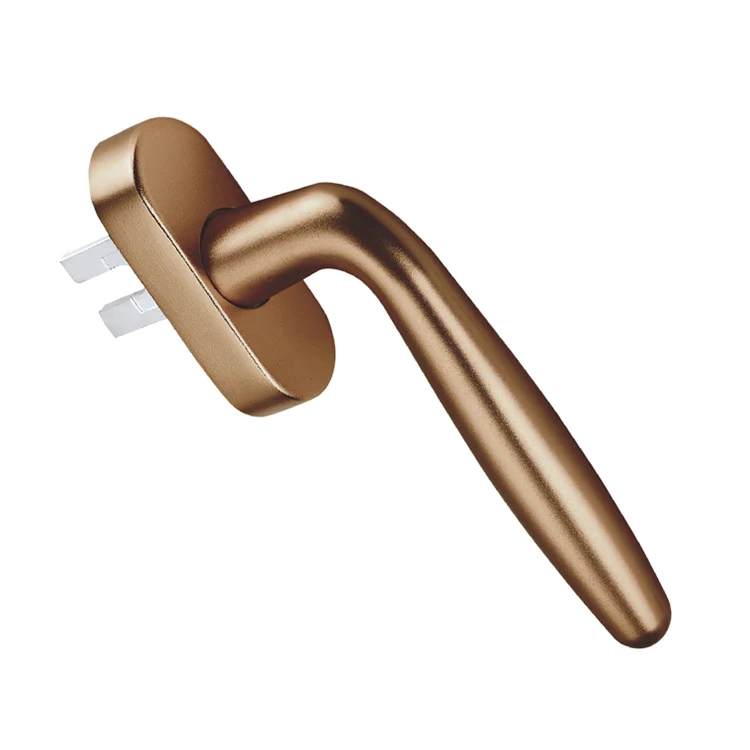
This article provides a comprehensive analysis of the Aluminum Alloy Fork Handle, including expanded keyword variations, performance characteristics, advantages and disadvantages, manufacturing standards, and real-world applications. With professional insights from Zhongshan Ousiming Hardware Co., Ltd., this guide helps buyers, distributors, and product developers understand how to select, use, and maintain aluminum alloy fork handles efficiently.
An Aluminum Alloy Fork Handle refers to a handle component made from aluminum alloy materials designed specifically for fork-type tools. These handles are commonly used in gardening forks, agricultural pitchforks, industrial lifting forks, and specialized utility tools. Compared to solid aluminum, aluminum alloys incorporate elements such as magnesium or silicon to enhance strength, durability, and fatigue resistance.
Manufacturers like Zhongshan Ousiming Hardware Co., Ltd. focus on precision extrusion and surface treatment technologies to ensure each handle meets strict quality and ergonomic standards.
The global shift toward lightweight and sustainable materials has accelerated the adoption of aluminum alloy fork handles. Users benefit from reduced fatigue, improved control, and longer service life, particularly in repetitive or heavy-duty tasks.
Different aluminum alloy grades are selected based on strength requirements, flexibility, and cost efficiency.
| Alloy Series | Key Features | Typical Applications |
|---|---|---|
| 6000 Series | Balanced strength and corrosion resistance | Garden forks, agricultural tools |
| 7000 Series | High strength, lightweight | Industrial and professional tools |
| 5000 Series | Excellent corrosion resistance | Outdoor and marine environments |
Zhongshan Ousiming Hardware Co., Ltd. typically recommends 6000-series alloys for most fork handle applications due to their optimal cost-performance balance.
Understanding material comparisons helps buyers make informed decisions.
| Material | Weight | Durability | Maintenance |
|---|---|---|---|
| Aluminum Alloy | Light | High | Low |
| Wood | Medium | Low to Medium | High |
| Steel | Heavy | Very High | Medium |
Aluminum alloy fork handles are widely used across multiple sectors:
Professional suppliers such as Zhongshan Ousiming Hardware Co., Ltd. customize handle lengths, diameters, and surface textures to meet different application needs.
The manufacturing process involves aluminum extrusion, precision cutting, CNC machining, surface treatment, and quality inspection. Anodizing or powder coating enhances both durability and aesthetics.
Quality-focused manufacturers emphasize strict dimensional tolerance, load testing, and ergonomic assessment before delivery.
Zhongshan Ousiming Hardware Co., Ltd. stands out for its stable supply chain, advanced manufacturing equipment, and long-term partnerships with global tool brands.
Q: What makes an Aluminum Alloy Fork Handle better than wood?
A: An aluminum alloy fork handle offers superior durability, resistance to moisture, and consistent performance without cracking or warping.
Q: Is an Aluminum Alloy Fork Handle suitable for heavy-duty use?
A: Yes, when manufactured with the correct alloy grade and wall thickness, aluminum alloy handles perform reliably in industrial environments.
Q: Can Aluminum Alloy Fork Handles be customized?
A: Professional manufacturers like Zhongshan Ousiming Hardware Co., Ltd. offer customization in length, diameter, surface finish, and branding.
Q: Do Aluminum Alloy Fork Handles require maintenance?
A: Minimal maintenance is required; routine cleaning is usually sufficient.
Q: Are Aluminum Alloy Fork Handles environmentally friendly?
A: Yes, aluminum alloys are fully recyclable and align with sustainable manufacturing practices.


